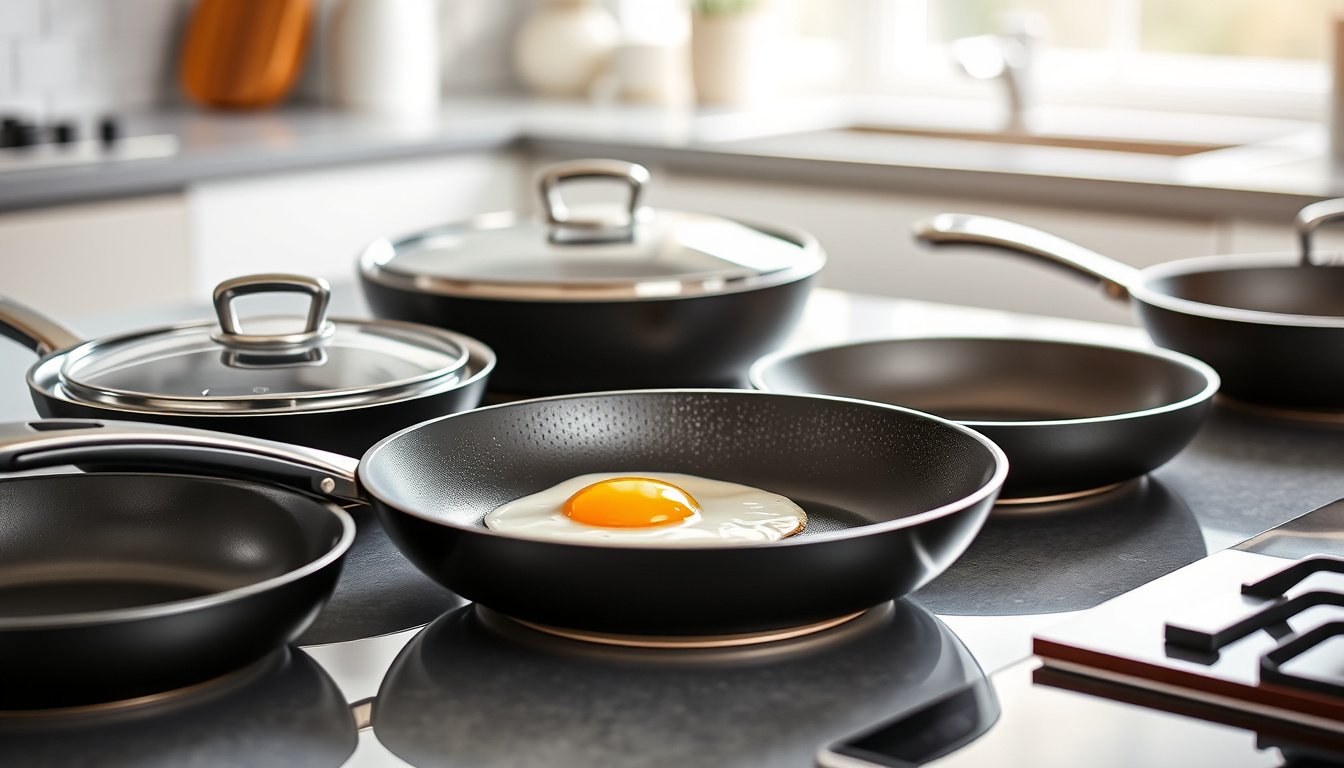
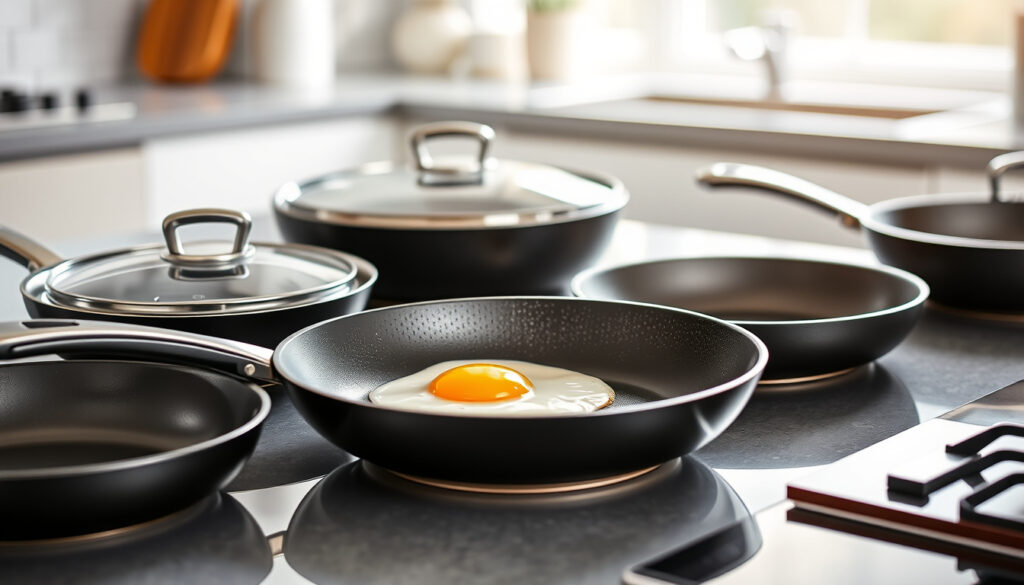
That bargain non-stick pan might be quietly exposing your family to PFAS chemicals. This guide cuts through the marketing with BBC Good Food’s tested picks and Irish retailer availability, so you can make a confident, health-conscious choice.
Top price example: €34.99 Tefal Titanium Excellence 28cm · Affordable option: €21.99 Tower Cerastone 28cm · Expert tested brands: Tefal, Le Creuset, Tower · Key concern: PFAS chemicals in coatings
Quick snapshot
- Tefal Titanium Excellence 28cm at €34.99 (HomeStoreAndMore)
- Tower Cerastone 28cm from €21.99 (Very Ireland)
- Le Creuset Toughened Non-Stick for premium durability (HomeStoreAndMore)
- Stainless steel — no PFAS synthetic layers
- Cast iron — natural non-stick via seasoning
- Ceramic coatings — clay and sand, PFAS-free
- HomeStoreAndMore.ie — Tefal range
- Very.ie — Tower PFAS-free options
- Wayfair.ie — PFOA-free selection
- Exact PFAS levels without independent lab testing
- Long-term durability of budget PFAS-free pans
- Ireland-specific EU PFAS regulation timeline
Key facts at a glance
| Specification | Details |
|---|---|
| Popular size | 28cm |
| Entry price | €21.99 |
| Premium price | €34.99 |
| Key feature | Titanium or cerastone coating |
| Health concern | PFAS chemical exposure risk |
| PFAS-free options | Ceramic, cast iron, stainless steel |
What is the best non-stick frying pan?
BBC Good Food’s expert testing covers the full price spectrum, from budget buys to premium investments. Their top performers span both traditional non-stick coatings and newer PFAS-free alternatives, giving buyers real choices depending on priorities.
Expert tests from BBC Good Food
The BBC Good Food review panel tested pans across multiple cooking scenarios — eggs sliding without oil, high-heat searing, and durability over repeated use. Their standout picks include The Only Pan, featuring a PFAS-free ceramic surface on cast aluminium that’s oven-safe to 150C and compatible with all hob types. The Our Place Always Pan 2.0 (£125) earned the “best all-in-one” title for its versatility, while the GreenPan Evolution (£69) won the sustainable category for its eco-conscious construction. For those prioritizing value, the Ninja zerostick 30cm (£59.99) — tested by The Independent — was named best overall non-stick, with its plasma ceramic particles fused to stainless steel for scratch resistance without lead or cadmium.
BBC Good Food notes that “every cookware set on this list is PFOA, PFAS, and PTFE free” — but the definition of “PFAS-free” varies. Some pans are PFOA-free but still contain other PFAS compounds, so checking specific chemical claims matters.
Top picks under €35
For Irish shoppers watching their budget, two options stand out from HomeStoreAndMore and Very Ireland. The Tefal Titanium Excellence 28cm sits at €34.99 — a titanium-reinforced coating that handles daily use and resists scratches better than basic non-stick. The Tower Cerastone 28cm comes in at €21.99, offering cerastone technology without PFAS, PFOA, cadmium, or lead — a direct competitor to Tefal at a lower price point. Both sizes work well for family cooking, with the 28cm diameter providing enough surface for larger portions without overwhelming stovetop space.
Why avoid nonstick pans?
The concern isn’t just marketing noise — it’s rooted in how traditional non-stick coatings work and what happens when they’re heated. Understanding the chemistry explains why health-focused publications keep returning to this topic.
NRDC on why nonstick pans are a hot mess
The Natural Resources Defense Council has documented how PFAS chemicals — the family that includes PTFE (the core of Teflon) — persist in the human body and environment. Research from Cookinglife.eu, a cookware specialist, explains that PFAS chemicals in non-stick coatings can accumulate in the body, potentially affecting hormones and the immune system. These substances don’t break down easily; PFAS are sometimes called “forever chemicals” because they remain in tissue for years.
PFAS-free pans, also known as Teflon-free pans, use alternatives like ceramic or cast iron that do not release harmful chemicals during cooking.
— Cookinglife.eu cookware guide
PFAS chemical risks
Teflon was first made in the 1930s using PFOA as a processing agent, and The Independent’s investigation notes that PFOA has been linked to cancer in occupational studies. Modern Teflon is PFOA-free by industry commitment — but “PFOA-free” doesn’t mean “PFAS-free.” Other compounds in the PFAS family may still be present in coatings marketed as safer alternatives. The Independent reports that “modern non-stick cookware is generally PFOA-free but may still contain other PFAS,” making this a distinction worth understanding before purchasing.
Consumer Reports’ testing of frying pans found that PFAS-free alternatives — ceramic, cast iron, and stainless steel — perform well without the chemical exposure risk. Their recommendation: prioritize pans that explicitly state “PFAS-free” rather than relying on “PFOA-free” alone.
The environmental picture compounds the health concern. Cookinglife.eu notes that Teflon production and breakdown release harmful substances with long environmental persistence — once these chemicals enter waterways or soil, they remain for decades.
What is the safest type of non-stick frying pan?
Safety in cookware isn’t binary — it depends on how you define “safe,” what temperatures you cook at, and how long you expect the pan to last. Different materials offer different safety profiles, and the best choice depends on your kitchen priorities.
Toughened non-stick like Le Creuset
Premium brands like Le Creuset use reinforced non-stick coatings with added durability layers. Their toughened non-stick line applies multiple coating layers that resist degradation better than single-layer budget options. The advantage is longevity — properly maintained, a Le Creuset toughened pan may last several years longer than cheaper alternatives. The trade-off is price: these pans cost significantly more, putting them in the premium category for serious cooks who value durability over budget constraints.
PFAS-free options from Consumer Reports
Consumer Reports’ cookware safety testing identifies three main PFAS-free categories that perform well in home kitchens. Cast iron provides natural non-stick properties through seasoning — layers of polymerized oil that build up over time — without any synthetic chemicals. Cookinglife.eu explains that cast iron pans are “made purely from iron,” giving them a completely chemical-free foundation. Stainless steel lacks synthetic non-stick layers entirely, meaning zero PFAS exposure risk, though it requires more oil for sticky foods. Ceramic coatings use natural clay and sand, creating a non-stick surface free from Teflon and PFOA that’s safe at high temperatures without releasing harmful fumes.
Crafted from durable cast aluminium, The Only Pan is coated with a non-toxic, PFAS-free ceramic surface for naturally non-stick cooking.
— BBC Good Food expert tester
If PFAS avoidance is your priority, ceramic and cast iron offer the clearest safety profiles. For cooking performance that mimics traditional non-stick, ceramic-coated pans like GreenPan Evolution (£69) or The Only Pan provide the closest feel without chemical exposure.
What frying pans should I stay away from?
Not all non-stick pans carry the same risk profile. Some categories deserve specific caution based on their construction, age, or marketing claims that don’t match reality.
Traditional nonstick risks
Pans with PTFE coatings — the technical name for Teflon-style non-stick — carry the highest chemical exposure risk when overheated. The Independent’s investigation notes that non-stick pans “can release harmful substances at high temperatures,” with PTFE beginning to degrade around 260°C (500°F). Amateur cooks frequently exceed this temperature when searing meat or heating empty pans. Older non-stick pans pose additional risks: scratched or flaking coatings increase chemical release, and many households use pans well past their recommended lifespan.
BCPP safer cookware warnings
The Breast Cancer Prevention Partners (BCPP) have published guidance warning consumers about PFAS in everyday products, including cookware. Their recommendations align with what Consumer Reports and LeafScore have documented: avoid any pan where PFAS or PTFE appears in the materials list, and prioritize alternatives with documented safety testing. LeafScore’s eco-friendly cookware review highlights that “PFAS-free cookware from Belgian companies uses recycled materials and does not leach toxic chemicals” — pointing toward manufacturers with verified supply chains rather than generic “non-stick” claims.
| Pan type | Chemical risk | Temperature limit | Recommendation |
|---|---|---|---|
| PTFE/Teflon standard | High if overheated | 260°C maximum | Avoid |
| Ceramic-coated | Low — PFAS-free | 400°C+ safe | Preferred |
| Cast iron | None — natural | Unlimited | Preferred |
| Stainless steel | None — no coating | Unlimited | Preferred |
The implication: PFAS-free materials consistently outperform PTFE in both safety and temperature tolerance, making the avoidance list a practical guide rather than an overcautious one.
What do chefs use instead of non-stick pans?
Professional cooks face different demands than home chefs — high-volume cooking, frequent use, and requirements for browning and searing that non-stick coatings can’t deliver. Their alternatives offer lessons for anyone willing to adjust technique slightly.
Jamie Oliver recommendations
Jamie Oliver has long advocated for stainless steel and cast iron in home kitchens, citing both durability and cooking performance. His approach emphasizes technique over coating — learning to control heat and use appropriate amounts of oil to prevent sticking rather than relying on chemical surfaces. For everyday tasks like eggs or fish, Oliver’s team has tested ceramic non-stick options, finding that modern ceramic coatings perform comparably to PTFE without the health concerns.
Coating-free alternatives like Made In
Professional cookware brands like Made In focus on materials science rather than non-stick chemistry. Their stainless steel pans use molecular cooking principles — proper preheating and fat management — to achieve release without any coating. The Independent notes that ProChef hexguard tri-ply stainless steel pans, available in 24cm and 28cm sizes, offer durability and dishwasher safety while completely avoiding PFAS exposure. Made In’s ProCoat non-stick pan, reviewed by BBC Good Food at £109, represents a professional-grade compromise: a coating designed for heavy use without the chemical risks of traditional PTFE.
To create brand’s zerostick coating, it fuses plasma ceramic particles to the surface of the pan, creating a textured cooking surface that is scratch-resistant, lead- and cadmium-free.
— The Independent reviewer
Switching to stainless steel or cast iron requires adjusting your technique. Preheating before adding food, using sufficient fat, and allowing proteins to release naturally replace the instant-release of non-stick coatings. The learning curve is real — but the payoff is a pan that lasts decades without chemical concerns.
Upsides
- No PFAS chemical exposure
- Superior durability — decades of use
- Better browning and searing results
- Cast iron adds dietary iron
- Ceramic pans oven-safe to 200°C+
Downsides
- Requires technique adjustment
- More oil needed for sticky foods
- Heavier weight for cast iron
- Higher upfront cost for quality
- Not ideal for delicate foods like eggs
Product comparison: non-stick vs PFAS-free
Six standout products span the market from budget to premium, with verified pricing and specifications drawn from expert testing.
| Product | Price | Size | Coating | PFAS-free | Oven-safe |
|---|---|---|---|---|---|
| Ninja zerostick | £59.99 | 30cm | Plasma ceramic | Yes | Yes |
| GreenPan Evolution | £69 | — | Ceramic | Yes | Up to 200°C |
| The Only Pan | — | — | Ceramic on aluminium | Yes | Up to 150°C |
| Tower Cerastone | €21.99 | 28cm | Cerastone | Yes | — |
| Salter megastone | £15.99 | — | Stone coating | — | — |
| Dexam Supreme | £49.45 | 26cm | Non-stick (unspecified) | — | — |
The pattern is clear: ceramic and plasma ceramic coatings consistently deliver PFAS-free status, while traditional non-stick specifications leave ambiguity. Budget options like Salter megastone (£15.99) offer entry pricing but lack certified PFAS-free status — making them risky for health-conscious buyers.
Specifications: key features explained
Understanding cookware terminology helps buyers evaluate claims beyond marketing language.
| Feature | What it means | Why it matters |
|---|---|---|
| Titanium reinforcement | Added layer prevents scratching | Extends pan lifespan, maintains non-stick |
| Cerastone technology | Stone-derived ceramic particles | PFAS-free alternative to PTFE coatings |
| Tri-ply construction | Three metal layers bonded together | Even heat distribution, no hot spots |
| Plasma ceramic particles | Fused ceramic surface on steel | Ninja’s proprietary PFAS-free technology |
| Premium riveted handles | Metal screws through handle into pan | Secure attachment, oven-safe, lasts longer |
| Dishwasher safe | Hand wash not required | Convenience, though hand wash extends life |
Related reading: Cottage Cheese Recipes · Groceries Near Me
cookinglife.eu, bbcgoodfood.com, independent.co.uk, leafscore.com, wayfair.ie
Related coverage: stainless steel frying pan pros and cons fördjupar bilden av Stainless Steel Frying Pan: Pros, Cons & Best Picks.
Frequently asked questions
What is a non stick fry pan with lid?
A non-stick fry pan with lid combines a coated cooking surface with a matching glass or metal lid for covered cooking. This enables techniques like steaming, braising, and keeping food warm — adding versatility beyond open-pan frying. Many retailers in Ireland stock lid-inclusive sets from brands like Tower and Tefal, with the 28cm size being most common for family cooking.
Where to buy non stick fry pan in Ireland?
Irish retailers offering non-stick fry pans include HomeStoreAndMore (Tefal range, including Titanium Excellence 28cm at €34.99), Very.ie (Tower PFAS-free options like the Good Food by Tower 30cm), and Wayfair.ie (broader PFOA-free selection). Online shopping provides price comparison that physical stores may not, and delivery options cover most of the Republic of Ireland.
Is non stick fry pan safe at high heat?
Standard PTFE non-stick pans degrade above 260°C (500°F) and can release harmful substances. PFAS-free alternatives like ceramic, cast iron, and stainless steel handle significantly higher temperatures — ceramic pans remain safe up to 400°C+. If you frequently cook at high heat for searing or broiling, avoid PTFE coatings and choose PFAS-free materials instead.
How long does a non stick fry pan last?
Standard PTFE non-stick pans typically last 1-3 years with regular use before coating degradation affects performance. Premium options like titanium-reinforced coatings (Tefal Titanium Excellence) extend this to 3-5 years. Ceramic and cast iron alternatives can last decades with proper care — cast iron, when seasoned regularly, may outlast its owner.
What is the best non stick fry pan set?
The best set depends on your priorities. For all-in-one versatility, Our Place Always Pan 2.0 (£125) covers multiple cooking needs in a single pan. For budget-friendly PFAS-free options, Tower’s cerastone range offers quality without the premium price. For professional-grade durability, Le Creuset’s toughened non-stick collection represents a long-term investment.
Are there non stick fry pans on sale?
Seasonal sales on cookware are common in Ireland, with Black Friday and January clearances offering the best discounts on premium brands. Wayfair.ie and Very.ie regularly feature promotional pricing. For PFAS-free options specifically, budget-tier ceramic pans like Salter megastone (£15.99) provide an affordable entry point when budget is constrained.
Does Dunnes Stores sell frying pans?
Dunnes Stores carries cookware in select stores and online, though their non-stick fry pan range may vary by location and season. For the most current availability, checking Dunnes’ website or visiting a local store provides the most accurate inventory information. Their cookware selection typically focuses on mid-range pricing with occasional promotions.
For Irish home cooks, the choice is clear: PFAS-free ceramic or cast iron pans deliver better long-term value through durability and health safety, while budget buyers can still find certified PFAS-free options like the Tower Cerastone at accessible prices. The days of trusting a pan simply because it says “non-stick” are over — read the materials, check the certifications, and cook with confidence.

Grace Clarke leads fact-checking, source verification and corrections at Aussie Brief.