
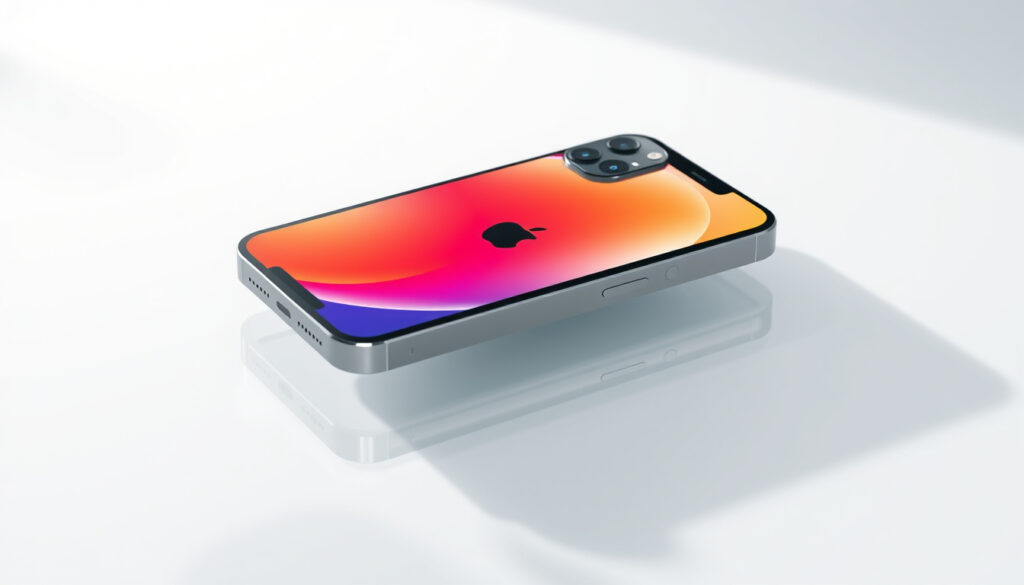
Apple’s iPhone 16 lineup represents a significant step forward in smartphone technology, bringing the A18 chip architecture and advanced artificial intelligence capabilities to a broader range of models than ever before. Announced at the “It’s Glowtime” event in September 2024, the series introduced four distinct models catering to different user needs and budgets, from the standard iPhone 16 to the flagship iPhone 16 Pro Max. The devices combine hardware upgrades with software intelligence features, marking a new direction for Apple’s mobile ecosystem.
The standard iPhone 16 and iPhone 16 Plus received substantial upgrades previously reserved for Pro models, including a 48-megapixel Fusion camera system and the new Camera Control button. These additions positioned the non-Pro models as compelling options for users seeking professional-grade photography capabilities without the premium price tag. The iPhone 16 Pro and Pro Max pushed boundaries further with enhanced video recording capabilities and the powerful A18 Pro chip, targeting users who demand maximum performance from their devices.
Understanding the specifications, pricing structure, and release timeline helps consumers make informed decisions about whether the iPhone 16 series meets their needs, particularly as prices have evolved following subsequent product launches. This comprehensive guide examines every aspect of the iPhone 16 lineup based on verified information from official sources and established technology publications.
iPhone 16 Release Date and Availability
The iPhone 16 series was officially announced on September 9, 2024, during Apple’s special event held at Apple Park. The announcement revealed the complete lineup along with key specifications, pricing, and availability details that consumers and industry observers had eagerly anticipated. Pre-orders opened on September 13, 2024, allowing customers to secure their preferred models and configurations ahead of the general launch. General availability commenced on September 20, 2024, with devices arriving in Apple Stores, authorized retailers, and carrier locations worldwide.
iPhone 16, 16 Plus, 16 Pro, 16 Pro Max
$799 / $899 / $999 / $1,199
September 20, 2024
A18 chip, Camera Control button
Following the iPhone 17 launch in 2025, Apple adjusted pricing across the iPhone 16 lineup, making the standard models more accessible to a broader audience. The base iPhone 16 configuration dropped to approximately $699-$829 for unlocked models, while carrier-locked variants offered additional savings. These price adjustments created opportunities for consumers considering an upgrade or switching from competing platforms.
- The standard iPhone 16 delivers Pro-level camera capabilities at a non-Pro price point
- All four models feature the dedicated Camera Control button for instant access to photography controls
- Apple Intelligence integration represents the most significant software advancement in the lineup
- The Action button, previously exclusive to Pro models, now appears across all iPhone 16 variants
- Dynamic Island remains a consistent design element throughout the entire series
- Pre-orders and launch day inventory typically sell out quickly for popular color and storage configurations
| Feature | iPhone 16 | iPhone 16 Pro |
|---|---|---|
| Display Size | 6.1 inches | 6.3 inches |
| Chip | A18 | A18 Pro |
| Main Camera | 48MP Fusion | 48MP Fusion (advanced) |
| Refresh Rate | 60Hz | 120Hz ProMotion |
| Starting Price (128GB) | $699-$829 | $999 |
| Video Recording | 4K at standard fps | 4K at 120fps |
iPhone 16 Specs and Key Features
The iPhone 16 and iPhone 16 Plus represent substantial departures from their predecessors, incorporating technology that Apple previously reserved exclusively for the Pro lineup. The A18 chip powers both standard models, delivering improved performance and energy efficiency compared to the previous generation. This chip architecture enables the full suite of Apple Intelligence features, bringing advanced artificial intelligence capabilities to a wider range of users than ever before.
Display and Design Specifications
The standard iPhone 16 features a 6.1-inch Super Retina XDR OLED display with a resolution of 2556 by 1179 pixels, resulting in 460 pixels per inch. The iPhone 16 Plus expands to a 6.7-inch LTPS OLED panel while maintaining the 60Hz refresh rate shared by both non-Pro models. Dimensions for the standard iPhone 16 measure 147.6 by 71.6 by 7.8 millimeters with a weight of 170 grams, making it slightly lighter than some competitors in its class.
The 60Hz refresh rate on iPhone 16 and iPhone 16 Plus remains a notable distinction from the Pro models, which feature 120Hz ProMotion technology. While this may concern some users, the OLED displays deliver excellent color accuracy and brightness levels for everyday use.
Pro models receive larger displays with advanced LTPO OLED technology. The iPhone 16 Pro offers a 6.3-inch screen with 120Hz ProMotion, while the iPhone 16 Pro Max reaches 6.9 inches—the largest display ever on an iPhone. Both Pro models benefit from always-on display capabilities and the adaptive refresh rate that optimizes battery life based on content.
Camera System Capabilities
Photography receives the most significant attention in the iPhone 16 lineup, with Apple democratizing advanced camera features across all models. The standard iPhone 16 and iPhone 16 Plus both incorporate a 48-megapixel Fusion main camera with an f/1.6 aperture and 26mm focal length. This system captures exceptional detail and enables advanced computational photography features previously limited to Pro devices.
The 12-megapixel ultrawide camera with f/2.2 aperture and 13mm focal length complements the main sensor, enabling landscape photography and group shots. The front-facing camera maintains its 12-megapixel resolution with an f/1.9 aperture, suitable for high-quality selfies and video calls.
The new Camera Control button appears on all iPhone 16 models, providing haptic feedback and allowing users to launch the camera app instantly, adjust exposure or depth of field with gestures, and capture photos with a press. This physical control enhances the shooting experience for both casual photographers and professionals.
The iPhone 16 Pro and Pro Max elevate photography capabilities with a more advanced 48-megapixel Fusion camera featuring an f/1.78 aperture and quad-pixel sensor. The processing speed is twice as fast as previous generations, enabling zero-shutter lag even in challenging lighting conditions. Perhaps most significantly, these Pro models support 4K video recording at 120 frames per second, a first for iPhones.
The Pro models also upgrade the ultrawide camera to 48 megapixels, matching the main sensor resolution. The telephoto lens offers 5x optical zoom with up to 25x digital zoom, compared to the 3x optical zoom found on iPhone 15 Pro models. These specifications position the iPhone 16 Pro as a serious tool for mobile photography and videography.
Software and Artificial Intelligence
All iPhone 16 models ship with iOS 18, providing the foundation for Apple’s most ambitious software integration yet. The devices support Apple Intelligence, a comprehensive artificial intelligence suite that enhances photography, writing, Siri interactions, and daily task management. The initial rollout of Apple Intelligence features began with iOS 18.1 in late 2024, with expanded capabilities following in subsequent updates.
Siri received a significant overhaul, with enhanced natural language processing and deeper integration with system functions. The upgraded assistant rolled out in early 2025, bringing improved contextual awareness and the ability to handle more complex multi-step requests. These AI features take advantage of the A18 chip’s neural engine, which processes machine learning tasks efficiently on-device.
Apple Intelligence features continue to expand through iOS updates. Some capabilities may require specific language settings or regional availability. Users should check Apple’s official documentation for the most current information on feature availability in their region.
Color Options and Storage
The iPhone 16 and iPhone 16 Plus are available in five colors: Ultramarine, teal, pink, white, and black. These vibrant options provide users with choices that reflect personal style, with each color receiving a complementary set of wallpapers and interface elements in iOS 18. The Pro models typically feature more subdued finishes, though Apple has offered unique titanium colorways for those generations.
Storage configurations for the iPhone 16 and iPhone 16 Plus range from 128GB to 512GB, providing flexibility for different usage patterns. The Pro models extend to 1TB, accommodating users who capture extensive video content or maintain large libraries of photos and applications. Storage tiers directly impact pricing, with each upgrade adding between $100 and $200 to the base cost.
iPhone 16 Price and Comparisons
The iPhone 16 series offers a tiered pricing structure that accommodates various budgets and requirements. At launch, the iPhone 16 started at $799 for the 128GB configuration, with the iPhone 16 Plus beginning at $899. Following the introduction of newer models, these base prices have decreased, with unlocked units now available in the $699-$829 range depending on storage capacity and retailer.
| Model | 128GB | 256GB | 512GB | 1TB |
|---|---|---|---|---|
| iPhone 16 | $699-$829 | $899-$929 | $1,099-$1,129 | – |
| iPhone 16 Plus | $799-$929 | $899-$1,029 | $1,199-$1,229 | – |
| iPhone 16 Pro | $999 | $1,099 | $1,299 | $1,499 |
| iPhone 16 Pro Max | – | $1,199 | $1,399 | $1,599 |
iPhone 16 vs iPhone 15 Pro
For users considering an upgrade from previous generations, the comparison between iPhone 16 and iPhone 15 Pro reveals interesting dynamics. The standard iPhone 16 launched at the same $999 price point as the iPhone 15 Pro for the base 128GB model, creating a significant decision point for potential upgraders.
The iPhone 16 offers several advantages over its predecessor: a newer A18 chip architecture, the Camera Control button, Action button, and full Apple Intelligence support. However, the iPhone 15 Pro maintained some exclusive features including the telephoto lens with 3x optical zoom and the titanium frame. The ultrawide camera on iPhone 16 matches the 15 Pro’s 12-megapixel resolution, though with the same f/2.4 aperture.
Display technology favors the iPhone 15 Pro with its 120Hz refresh rate and always-on capability, features that remain exclusive to Pro models in the iPhone 16 generation. Users prioritizing display smoothness may find the iPhone 16 Pro a more compelling upgrade option, while those seeking value might consider the standard iPhone 16’s feature set sufficient for their needs.
The iPhone 16 has been praised as a “Pro in disguise” due to its feature set at a non-Pro price point. Reviewers have noted that for most users, the standard model’s camera and AI capabilities exceed what the average consumer would typically utilize, making it an excellent value proposition compared to Pro variants.
iPhone 16 Pro vs iPhone 15 Pro
The iPhone 16 Pro builds upon the foundation established by the iPhone 15 Pro with incremental but meaningful improvements. Both models share the same $999 starting price for the 128GB configuration, maintaining pricing consistency across generations. Storage maximums remain identical at 1TB, allowing power users to maintain their preferred storage configurations.
Camera improvements constitute the most significant upgrade area. The iPhone 16 Pro’s 48-megapixel Fusion camera features a faster sensor with 2x faster processing and zero-shutter lag capability. Video recording reaches new heights with 4K support at 120 frames per second, enabling dramatic slow-motion content previously impossible on iPhones. The ultrawide camera jumps from 12 megapixels to 48 megapixels, matching the main sensor.
The telephoto lens extends from 3x optical zoom to 5x optical zoom, matching the iPhone 15 Pro Max and providing enhanced reach for distant subjects. Combined with the improved processing capabilities of the A18 Pro chip, these hardware advancements translate to noticeably better photo and video quality across various scenarios.
Is iPhone 16 Worth Buying?
Determining whether the iPhone 16 represents a worthwhile purchase depends on individual circumstances, current device, and priorities. Users with iPhone 13 or earlier models will experience the most dramatic improvements, particularly in photography, battery efficiency, and software feature support. Apple typically provides iOS updates for five to six years, ensuring the iPhone 16 remains current through the end of the decade.
iPhone 14 and iPhone 15 users may find fewer compelling reasons to upgrade, though those seeking Apple Intelligence features or significantly improved camera capabilities might still find value in the transition. The decreasing prices following subsequent launches have improved the value proposition for new buyers considering the iPhone 16 as an entry point to Apple’s ecosystem.
The iPhone Upgrade Program offers monthly payment options starting at $39.50 per month for the 128GB iPhone 16, making the devices accessible to consumers who prefer spreading costs over time. Trade-in programs through Apple and carriers can substantially reduce effective costs when upgrading from older devices.
iPhone 16 Launch Timeline
Understanding the chronology of the iPhone 16 launch provides context for the device’s market position and the evolution of pricing and availability since introduction.
- September 9, 2024: Apple announces the iPhone 16 series at the “It’s Glowtime” special event, revealing complete specifications, pricing, and release details.
- September 13, 2024: Pre-orders open for all four iPhone 16 models through Apple.com, Apple Store app, and authorized carriers.
- September 20, 2024: General availability begins with devices shipping to customers and arriving in retail locations worldwide.
- Late 2024: iOS 18.1 rollout begins, introducing initial Apple Intelligence features to compatible devices including the iPhone 16 series.
- Early 2025: Apple releases enhanced Siri functionality and expanded AI capabilities as part of ongoing iOS updates.
- 2025: iPhone 17 announcement triggers price reductions across the iPhone 16 lineup, improving accessibility for new buyers.
Confirmed Information vs Uncertainties
Transparency about what is definitively known versus what remains unclear helps readers calibrate their expectations and understand the limitations of available information about the iPhone 16 series.
| Established Facts | Areas of Uncertainty |
|---|---|
| A18 chip in iPhone 16/Plus; A18 Pro in Pro models | Official RAM specifications were not publicly disclosed |
| 48MP Fusion main camera on all models | Detailed battery capacity figures have not been released |
| Camera Control button on all iPhone 16 variants | Long-term Apple Intelligence feature roadmap |
| 60Hz standard display; 120Hz ProMotion on Pro | Regional availability variations for specific AI features |
| iOS 18 with Apple Intelligence support | Exact trade-in values across all carriers and retailers |
| September 20, 2024 general availability date | Future color options or limited editions |
Market Position and Competitive Context
The iPhone 16 arrives in a competitive smartphone market where premium Android devices offer comparable specifications and feature sets. Apple’s strategy with the iPhone 16 emphasizes integration between hardware and software, particularly through Apple Intelligence features that leverage the tight coupling between iOS and Apple silicon. This approach differentiates the iPhone experience from Android alternatives that must accommodate a wider variety of hardware configurations.
The democratization of Pro-level features in the standard iPhone 16 represents a strategic shift that narrows the gap between model tiers. Users no longer need to select the most expensive Pro variant to access advanced photography capabilities or the latest chip architecture. This positioning challenges competing flagship devices that may offer these features only in their highest-end configurations.
Users coming from older iPhones, including those reviewing earlier models like the Apple iPhone 13 – Specs Price Battery Review 2024, will find substantial improvements across every category. The combination of camera technology, processing power, and software capabilities makes the iPhone 16 a meaningful generational advancement rather than incremental refinement.
Sources and Official Information
Multiple authoritative sources inform this comprehensive overview of the iPhone 16 series. Apple’s official announcement provided primary specifications, pricing, and marketing details, while technology publications with established track records contributed hands-on impressions, detailed analyses, and real-world testing data.
“iPhone 16 and iPhone 16 Plus are built for Apple Intelligence, the easy-to-use personal intelligence system that helps you write, express yourself, and get things done.”
— Apple Newsroom, September 2024
Independent reviewers have characterized the iPhone 16 as delivering exceptional value, with one prominent publication noting that the standard model functions as a “Pro in disguise” given its feature set relative to pricing. Technical specifications from aggregated databases provide additional verification for hardware details that Apple does not explicitly highlight in marketing materials.
Summary
The iPhone 16 series represents a balanced evolution of Apple’s smartphone lineup, bringing advanced features to a broader audience while maintaining clear differentiation between standard and Pro models. The combination of the A18 chip, 48-megapixel camera system, and Camera Control button positions the standard iPhone 16 as an attractive option for users seeking modern capabilities without flagship pricing. The Harvey Norman Thomastown – Address, Hours, Phone and Directions and other retailers offer various channels for purchasing these devices, with pricing that continues to evolve following subsequent product launches. Whether the iPhone 16 merits an upgrade depends largely on current device age and specific feature priorities, but the device establishes a strong foundation for Apple’s mobile ecosystem heading into the future.
Frequently Asked Questions
What are the main differences between iPhone 16 and iPhone 15?
The iPhone 16 features the newer A18 chip, 48-megapixel Fusion camera, Camera Control button, and full Apple Intelligence support. The iPhone 15 has the A16 chip, 48MP main camera without Fusion branding, and lacks the Camera Control button.
Is the iPhone 16 worth buying in 2025?
The iPhone 16 remains a worthwhile purchase in 2025, especially at its reduced post-iPhone 17 pricing. It offers strong camera capabilities, Apple Intelligence support, and will receive iOS updates for several more years.
What colors does the iPhone 16 come in?
The iPhone 16 and iPhone 16 Plus are available in Ultramarine, teal, pink, white, and black. Pro models typically feature more muted titanium finishes.
How big is the iPhone 16?
The standard iPhone 16 has a 6.1-inch display with dimensions of 147.6 x 71.6 x 7.8mm, weighing 170 grams. The Plus model features a 6.7-inch screen.
Does iPhone 16 have a better camera than iPhone 15 Pro?
The iPhone 16 matches or exceeds the iPhone 15 Pro in several areas including the 48MP Fusion camera system and Camera Control button. However, the iPhone 15 Pro retains the telephoto lens with 3x optical zoom that the standard iPhone 16 lacks.
What is the Camera Control button on iPhone 16?
The Camera Control button provides haptic feedback and allows instant camera access, gesture-based adjustments for exposure or depth of field, and photo capture through press actions. It appears on all iPhone 16 models.
How long will iPhone 16 receive iOS updates?
Apple typically supports iPhones with iOS updates for five to six years. Based on historical patterns, the iPhone 16 should receive updates through approximately 2029 or 2030.
Related stories





Grace Clarke leads fact-checking, source verification and corrections at Aussie Brief.