
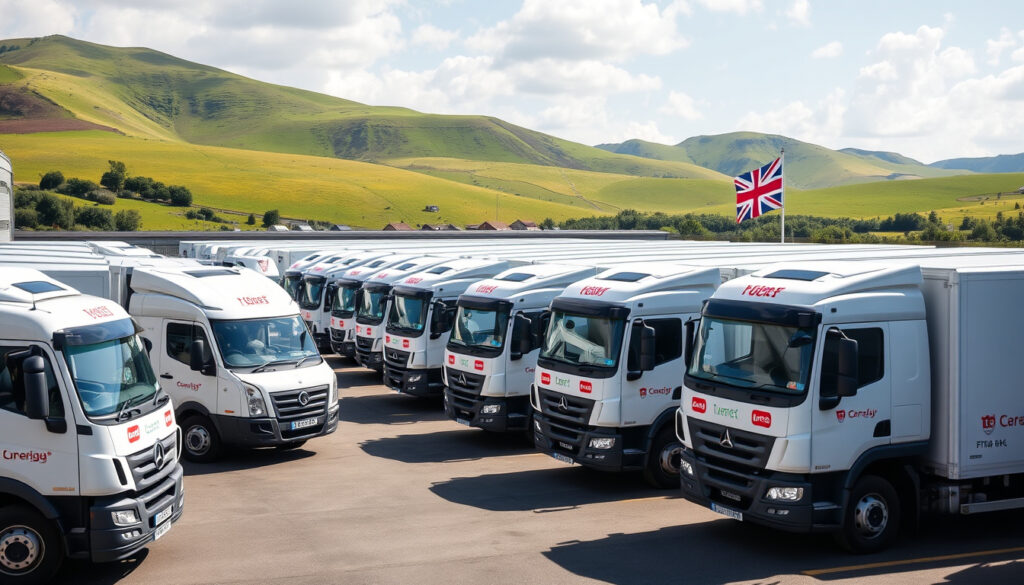
Finding reliable truck hire near you involves more than a quick internet search. Whether moving house, transporting equipment, or handling commercial deliveries, understanding your options, costs, and legal requirements can save both time and money. This guide walks through everything you need to know about hiring trucks in the UK, from licence requirements to booking processes and policy details.
Truck hire services across the UK range from national chains with nationwide coverage to local specialists serving specific regions. Self-drive options let you operate the vehicle yourself, while some providers offer driver services for those who prefer not to handle the wheel. The right choice depends on your load size, distance, budget, and driving qualifications.
This article covers the essential factors that influence truck hire decisions, including pricing structures, vehicle specifications, insurance coverage, and practical tips for securing the best deal in your area.
Where Can I Find Truck Hire Near Me?
Locating truck hire services starts with identifying whether you need a national provider with multiple branches or a local specialist offering more personalised service. Both approaches have distinct advantages depending on your circumstances.
Using Google Maps and Local Directories
Entering “truck hire near me” into Google Maps displays available providers in your immediate area, complete with ratings, opening hours, contact details, and customer reviews. This real-time information helps filter options based on proximity and reputation. Directory sites and comparison platforms aggregate listings from multiple providers, allowing side-by-side comparisons of prices and vehicle availability.
Many providers now offer online booking systems that show live inventory for specific dates and locations. This eliminates the need for phone calls or in-person visits to confirm availability.
National vs Local Providers
National chains such as Enterprise and Nationwide Hire UK operate across multiple cities and regions, providing consistency in pricing, vehicle standards, and service procedures. Their websites typically include detailed fleet information, transparent pricing, and 24-hour support lines.
Regional specialists like U-Drive serve specific areas including Bristol, Exeter, Cardiff, Fareham, Poole, Salisbury, Southampton, and Manchester. These providers often offer more flexible terms for local customers and may have better availability during peak periods in their coverage areas. MTC Northwest focuses on the northwest region, while local operators may provide specialised vehicles unavailable through larger chains.
Enterprise, Nationwide Hire UK, Ryder
U-Drive, MTC Northwest, local operators
From £209.50/day (3.5t) to £503.90/day (7.5t)
Tail lifts, 24-hour support, unlimited mileage options
- Compare at least three providers before booking to ensure competitive pricing
- Check licence requirements before selecting vehicle size
- Book at least one day in advance for best availability and rates
- Verify insurance coverage matches your needs
- Confirm free delivery and collection options if unavailable to visit branches
- Review fuel policies before and after your rental period
| Fact | Details |
|---|---|
| Average Daily Cost | £50-£250 for vehicles between 3.5t and 7.5t |
| Common Sizes Available | 3.5-tonne, 7.5-tonne Luton box trucks |
| Licence Required | B-category for under 3.5t; C1 for 3.5t to 7.5t |
| Standard Mileage Allowance | 100-300 miles per day on most plans |
| Free Delivery Options | Available with providers like Nationwide Hire UK |
| Fuel Economy (7.5t) | Approximately 15-20 MPG |
How Much Does Truck Hire Cost?
Truck hire pricing varies considerably based on vehicle size, rental duration, and provider. Understanding the cost structure helps establish a realistic budget before committing to a booking.
Pricing by Truck Size
Daily rental rates for 7.5-tonne box trucks with tail lift start at approximately £503.90 per day, excluding VAT, according to Nationwide Hire UK. Smaller 3.5-tonne trucks begin from around £209.50 per day for basic models. At the premium end, larger specialist vehicles can reach £1,495.98 per day depending on specifications and availability.
Weekly rentals often provide better value, with many providers offering discounted rates for extended bookings. Weekend rates may differ from weekday pricing, with Saturday and Sunday often charged at premium rates during peak moving seasons.
Additional Fees to Watch For
Beyond the base daily rate, several supplementary costs can affect the total rental price. Extra driver fees apply when additional people need to operate the vehicle, typically requiring drivers to be aged 25 or above. One-way rental fees occur when returning the truck to a different location than pickup. Late return charges apply if the vehicle exceeds its booked period.
Some providers include optional extras such as extended insurance coverage, GPS navigation systems, moving equipment (trolleys, blankets), and roadside assistance upgrades. Reviewing the full breakdown before confirming helps avoid unexpected charges at collection or return.
Nationwide Hire UK offers free delivery and collection to your home or office, plus free unlimited mileage. These inclusions can significantly reduce the overall cost compared to providers charging per-mile rates and pickup fees.
Do I Need a Licence for Truck Hire?
Driving licence requirements for truck hire depend on the vehicle’s Gross Vehicle Weight (GVW) and when you obtained your licence. Understanding these categories prevents booking the wrong vehicle or facing issues at collection.
Licence Categories by Truck Weight
Standard car licences (category B) permit driving vehicles up to 3.5-tonnes GVW, covering small vans and Luton-style light trucks. Hiring anything larger requires category C1 entitlement, which covers vehicles between 3.5 and 7.5 tonnes. Those who passed their driving test before 1997 typically hold C1 entitlement automatically, while those who tested after 1997 may need to obtain this category separately.
Provisional licences with accompanying supervision may allow driving certain rental vehicles, though restrictions and additional insurance requirements typically apply. Most providers require drivers to be at least 21 years old, with some setting the minimum at 25 for larger trucks.
International Licence Rules
Visitors from outside the UK may drive rental trucks with a valid international driving permit alongside their national licence. Some European licences are recognised directly, while others require verification through official channels. Checking with your chosen provider before booking confirms whether your documentation meets their requirements.
What Size Trucks Can I Hire?
Selecting the appropriate truck size depends on the volume and weight of items being transported. Choosing undersized vehicles results in multiple trips, while oversized trucks cost more than necessary.
Common Sizes: 3.5t to 7.5t
The 7.5-tonne box truck represents the most popular choice for large domestic moves and commercial deliveries. These vehicles offer substantial cargo space with a typical internal dimension of 6 metres length, 2.35 metres width, and 2.25 metres height. The cargo volume reaches approximately 31 cubic metres (1,100 cubic feet), with a payload capacity of around 2,900 kg.
External dimensions for 7.5-tonne trucks measure approximately 8.05 metres length, 2.50 metres width, and 3.45 metres height. These measurements matter when navigating tight streets, car parks, or residential areas with limited turning space.
Smaller 3.5-tonne trucks suit lighter loads and tighter spaces, offering better fuel economy and easier handling for less experienced drivers. These vehicles work well for single-room moves, small deliveries, or transporting equipment that doesn’t require the full capacity of a larger truck.
Tail Lift and Specialist Options
Tail lifts come standard on many 7.5-tonne box trucks, enabling safe loading and unloading of heavy items without manual lifting. These mechanical platforms typically support up to 1,000 kg, accommodating pallet jacks, appliances, and heavy furniture. Booking vehicles with tail lifts proves essential when loading heavy items or when no loading dock is available at pickup or delivery points.
Specialist options extend beyond standard box trucks to include tipper trucks for loose materials, temperature-controlled vehicles for perishables, and low-loader options for oversized equipment. Providers like MTC Northwest and U-Drive offer various specialist vehicles beyond basic box trucks.
A 3.5-tonne truck typically holds contents of a one-bedroom flat, while a 7.5-tonne with tail lift can accommodate a four-bedroom house move or approximately three tonnes of commercial cargo.
How Do I Book Truck Hire Online?
Online booking has become the standard method for arranging truck hire, offering convenience, price comparison, and immediate confirmation. The process typically takes under ten minutes for returning customers familiar with provider systems.
Step-by-Step Booking Guide
The booking process begins by entering your pickup location and desired dates into the provider’s search tool. Results display available vehicles matching your criteria, showing daily rates, specifications, and any included features. Selecting a vehicle leads to additional options such as extra drivers, insurance upgrades, and equipment add-ons.
Account creation follows vehicle selection, requiring contact details, driving licence information, and payment method. Providers typically request licence category verification, especially for larger vehicles requiring C1 entitlement. Supporting documents such as utility bills or proof of address may be required for first-time customers. For more details on finding a drug store near me, this guide covers everything from licence requirements to booking. drug store near me
Confirmation arrives via email following successful payment, including pickup instructions, required documents checklist, and provider contact details. Most bookings remain flexible, allowing date changes or cancellations with appropriate notice.
Last-Minute Availability Tips
Same-day or next-day bookings remain possible through many providers, though advance reservation guarantees better availability and pricing. Weekend moves, month-end transitions, and holiday periods create high demand, making early booking essential. Midweek rentals often offer better availability and lower rates when flexibility exists.
Joining provider mailing lists or setting up price alerts can identify special offers or last-minute deals. Some providers reduce pricing on vehicles sitting unsold at specific locations, particularly for one-way rentals balancing fleet distribution.
What Are the Key Policies for Truck Hire?
Understanding rental policies protects against unexpected costs and ensures a smooth hire experience. Insurance, mileage, and fuel arrangements form the core of most policy discussions.
Insurance and Excess Details
Comprehensive insurance typically comes included with UK truck hire, covering damage to the vehicle and third-party liability. However, excess charges may apply for claims, requiring customers to pay the first portion of any repair costs. Providers such as Nationwide Hire UK include comprehensive insurance alongside 24-hour AA/RAC emergency roadside assistance.
Additional insurance products reducing or eliminating excess charges are available through most providers, though these add to the daily rental cost. Reviewing policy documents carefully before collection clarifies what situations are covered and what conditions might void coverage.
Mileage and Fuel Rules
Standard mileage allowances typically range between 100 and 300 miles per day depending on provider and vehicle type. Unlimited mileage packages, offered by providers like Nationwide Hire UK, eliminate per-mile tracking and simplify cost calculations for longer journeys.
Fuel policies generally operate on a full-to-full basis, requiring return with the same fuel level as pickup. Some providers offer pre-purchase fuel options where you pay for a full tank upfront and return empty, which can work out more expensive but provides convenience for those unable to refuel before return.
Trucks must comply with London DVS (Direct Vision Standard) requirements when driving in the capital. Most modern hire vehicles meet current standards, but confirming compliance with your provider prevents fines and access restrictions.
The Truck Hire Process: From Search to Return
Understanding the complete rental journey helps plan each stage effectively, reducing stress and preventing last-minute complications.
- Enter your postcode or location to find nearby providers and compare availability
- Review truck sizes and specifications to match your load requirements
- Check your driving licence entitlement matches the chosen vehicle category
- Book online through the provider’s website, providing required documentation
- Collect the vehicle and conduct a thorough inspection, noting any existing damage
- Return the truck on time with the agreed fuel level to avoid penalties
What We Know vs What Remains Uncertain
Truck hire practices in the UK follow established industry standards, though some aspects vary by provider and circumstance.
| Established Information | Information That May Vary |
|---|---|
| Licence categories and weight limits are legally defined | Pricing fluctuates seasonally and by location |
| C1 entitlement covers 3.5t-7.5t vehicles | Insurance excess amounts differ between providers |
| 7.5t trucks offer approximately 31 cubic metres cargo space | Weekend surcharges vary widely |
| Comprehensive insurance typically included | Availability during peak periods unpredictable |
| 24-hour AA/RAC support standard with major providers | One-way rental fees depend on routing |
When to Choose Truck Hire Over Van Hire
Several factors determine whether a truck or van better suits your requirements. Truck hire proves more economical and practical for larger loads, while van hire offers advantages for smaller tasks and urban driving.
Trucks excel when moving whole households, handling commercial deliveries exceeding van capacity, or transporting heavy items requiring tail lift loading. The payload capacity of a 7.5-tonne truck (approximately 2,900 kg) substantially exceeds that of even large vans. Professional removal companies frequently use similar vehicles, making truck hire a direct alternative to hiring services.
Van hire suits smaller moves, single-item deliveries, and situations where maneuverability matters. Driving a 7.5-tonne truck requires more skill and confidence than a van, particularly in residential areas or tight spaces. Fuel consumption also differs significantly, with trucks averaging 15-20 MPG compared to 25-35 MPG for most vans.
Combining local knowledge with tools like Google Maps helps identify the most appropriate vehicle for your specific situation. Some households benefit from van hire for initial sorting and a truck for the main move.
Key Sources for Further Information
Official licence category information is available through the government website, which outlines exactly which vehicles each licence category permits driving.
Consumer guidance on vehicle rental agreements, including rights and what to expect from providers, helps ensure fair treatment throughout the rental process.
Industry associations such as the Freight Transport Association provide additional resources for commercial vehicle hire and transport regulations.
Summary: Finding the Right Truck Hire Near You
Securing appropriate truck hire involves balancing vehicle size against licence requirements, comparing prices across providers, and understanding the policies that govern your rental. Starting prices around £209.50 per day for smaller vehicles and £503.90 per day for 7.5-tonne box trucks provide benchmarks, though discounts and special offers can reduce these figures significantly.
Verifying your C1 licence entitlement before booking prevents complications at pickup. Most providers include comprehensive insurance and roadside assistance, though excess charges warrant careful review. For further assistance finding local services, explore guides on related topics like Groceries Near Me – Stores, Delivery & Open Now Guide or Coffee Near Me Open Now – Find Open Shops with Google Maps for additional local search resources.
Frequently Asked Questions
How far can I drive a hired truck?
Standard daily mileage allowances typically range from 100 to 300 miles, though some providers offer unlimited mileage packages. Exceeding allowances usually incurs per-mile charges. Planning your route before departure helps estimate total distance and avoid excess charges.
What is the fuel policy for truck hire?
Most providers operate a full-to-full policy, requiring return with the same fuel level as pickup. Some offer pre-purchase options where you pay for a full tank upfront and return empty. Returning the vehicle below the pickup level typically results in refuelling charges at higher rates than retail pumps.
Are there 24-hour truck hire options?
While trucks are available around the clock through many providers, pickup and return times often fall within standard business hours. Some locations offer after-hours collection through secure key systems, though this may incur additional fees. Emergency roadside assistance typically operates 24 hours regardless of pickup time.
What documents do I need for truck hire?
Standard requirements include a valid driving licence with appropriate category, proof of address (utility bill or bank statement from the last three months), and identification such as passport or national ID. International customers may need an International Driving Permit alongside their national licence.
Can I hire a truck with a driver?
Some providers offer driver services as an alternative to self-drive hire. This option suits those without appropriate licences, time constraints, or preference for professional handling. Driver services typically cost more than self-drive but eliminate the need for licence verification and provide experienced operators.
What happens if I return the truck late?
Late returns generally incur additional rental charges, often calculated at a full day’s rate for delays exceeding a few hours. Some providers offer grace periods, but exceeding booked time without notification risks penalties and potential liability for any resulting missed bookings by other customers.
Is insurance included in the rental price?
Comprehensive insurance is typically included as standard, covering damage to the vehicle and third-party liability. However, excess charges usually apply for any claims, meaning you may be responsible for the first portion of repair costs. Additional excess reduction products are available at extra cost.
Related stories





Liam O'Brien covers Australian politics and public affairs for Aussie Brief.